Exploring the Unique Features of Pianists' Hands: Insights from Survey

Updated: Jul 1, 2024
In my journey of understanding the challenges faced by pianists with small hands, I embarked on a research project that brought interesting insights into the diverse characteristics of pianists' hands. Here's a closer look at some of the key findings:
Global Participation: Through a survey spanning different countries including Russia, the Netherlands, Turkey, Spain, UK, Greece, and Australia, I received valuable responses from 20 individuals, predominantly women, with 2 responses from men. This diverse participation provided a comprehensive perspective on the topic.
Hand Stretch Diversity: The survey revealed significant variation in the maximum stretch capabilities of each hand. These findings highlight the individualized nature of hand flexibility among pianists:
For the right hand
14 respondents could reach the 9th
4 could reach an octave
2 could only reach the 7th.
Similarly, for the left hand
15 respondents could reach the 9th
3 could reach an octave
2 could only reach the 7th
Stretching Capabilities: While most pianists could achieve a maximum stretch of 180 degrees between the 1st and 5th fingers (16 responders) - according to Dr. Jay Breadley (T. Kamolsiri "Even a Small Star Shines in the Darkness: Overcoming Challenges Faced by Pianists with Small Hands"), - a few individuals faced challenges in achieving this range.
Additionally, 1 respondent struggled to stretch beyond 90 degrees between the thumb and the 2nd finger, underscoring the varied capabilities of hand flexibility.
Variability in Hand Span: An unexpected discovery was the significant disparity in hand span measurements, ranging from as small as 14-15 cm to as large as 21.5-22 cm between the 1st and 5th finger tips. This wide variability in hand span emphasizes the diverse anatomical features of pianists' hands (finger length and palm width) and its potential impact on piano-playing techniques.

Inter-Finger Stretch Preferences: Preferences for inter-finger stretches varied among respondents, most of them have the biggest stretch between the 2nd and 3rd fingers while others leaned towards stretches between the 4th and 5th fingers.
Finger Length and Appearance: Respondents shared insights into the length and appearance of their fingers, the results (the amonut of pianists for each type of hand) you can see on pictures below:
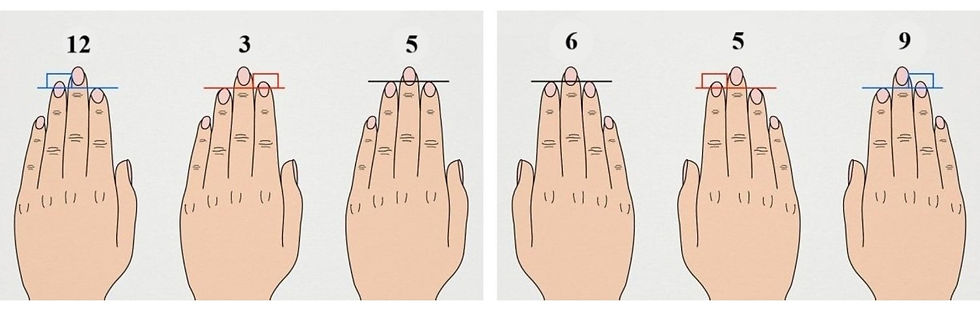
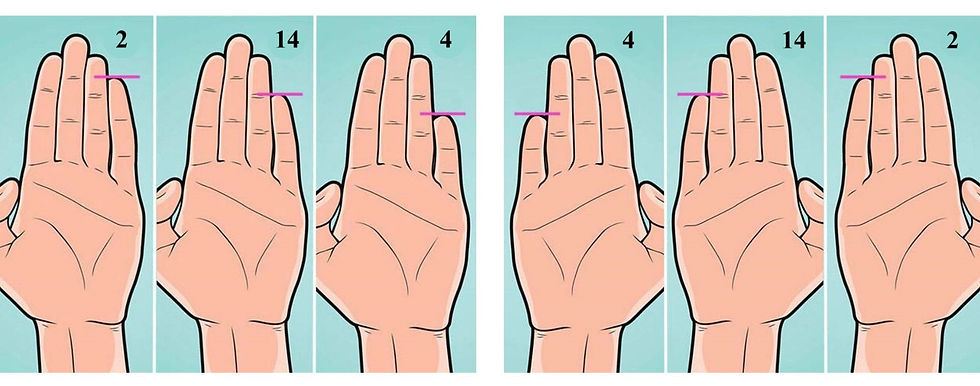
As you may observe, musicians often have a longer 4th finger and a moderately sized 5th finger.
In conclusion, this survey questions has helped me understand more about the complexities of pianists' hand characteristics. From hand span variations to finger stretch preferences, each pianist has a unique set of anatomical features that profoundly impact their playing experience. Even among individuals with small hands, the differences can be significant, underscoring the importance of personalized approaches to piano technique.
Going forward, I feel motivated to explore personalized methods for practicing and performing the piano. I want to focus on using each pianist's unique hand attributes to improve my playing abilities. By embracing and adapting to these individual features, we can discover new ways to express ourselves musically and become better pianists.
You are welcome to share about yourself and your opinion in my survey! Follow the link below!
In English
In Russian


Comments