L. Deahl & B. Wristen's book, "Adaptive Strategies for Small-Handed Pianists"

Updated: Jun 3, 2024

L. Deahl & B. Wristen's book, "Adaptive Strategies for Small-Handed Pianists", provides helpful insights into the difficulties encountered by pianists with smaller hands. The authors explain the biological and physiological aspects of the structure of our arms and bodies, together with offering practical solutions to performance challenges. They cover a range of topics, from fingerings and hand positions to adjusting techniques and selecting repertoire, aiming to improve performance mastery and reduce discomfort.
Reflections:
Recognition of Challenges: The book highlights the importance of acknowledging the specific challenges faced by small-handed pianists. By validating these struggles, it helps pianists to seek solutions tailored to their individual needs.
Practical Strategies: One of the book's strengths lies in its emphasis on practicality. Rather than offering generic advice, it provides concrete strategies with music examples that pianists can implement in their practice routines and performances. While I appreciate many of their suggestions, I do have some disagreements with certain music examples provided. In my view, some of these examples did not entirely align with the solutions presented. Nevertheless, I fully agree with their emphasis on applying techniques from the music and composer's intentions, rather than simply addressing playing issues.
Empowerment Through Adaptation: Central to the book's message is the idea of empowerment through adaptation. By embracing flexibility and creativity in their approach to piano playing, small-handed pianists can transcend physical limitations.
In my exploration of the book, which became main resourse of my reserach, I uncovered some insights that resonate with my own experiences as a pianist with small hands. Those insights you can find in my further post where I am writing about A. Scriabin's Sonata No.9.
According to the book, small-handed pianists often struggle with five key aspects of piano playing: fatigue, power, reach, speed, and accuracy.
In a recent survey I conducted, I found that these challenges are all too familiar to many pianists. Nearly every respondent highlighted difficulties with power, reach, speed, and accuracy, with managing fatigue also proving to be a significant hurdle for some.
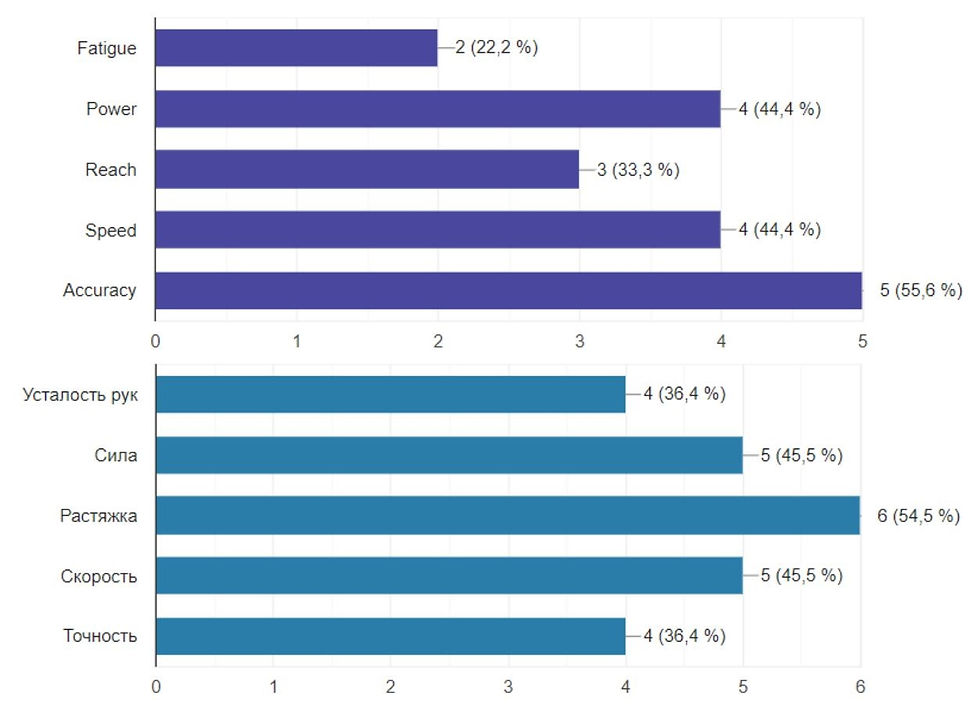
As I prepare for my final performance at ArtEZ, I find these challenges quite tricky. In particular, A. Scriabin's Sonata No. 9, which demands a mastery of power, reach, speed, and accuracy, I have to deal with all of them. Each note is a delicate balance between technical precision and expressive interpretation, requiring careful navigation of my hands.
Yet, despite the obstacles I face, I am determined to approach this performance with resilience and adaptability. Getting inspiration from the strategies presented in the book, I am finding my own solutions to overcome the limitations posed by my small hands.
You are welcome to share about yourself and your opinion in my survey! Follow the link below!
In English
In Russian


Comments